How to Spot Quality Vintage Clothing: A Practical Buyer’s Guide

Updated: Sep 3
Buying vintage clothing is about more than finding something that looks different. The best pieces combine character, construction and wearability, giving you clothing that feels individual while remaining useful in a modern wardrobe.
Rmar Vintage Limited is a London-based online vintage shop curating pre-owned clothing and distinctive vintage finds for customers across the UK and worldwide through eBay.
Whether you are searching for a leather jacket, knitwear, denim or a timeless shirt, knowing what to examine can make buying vintage online far more rewarding.
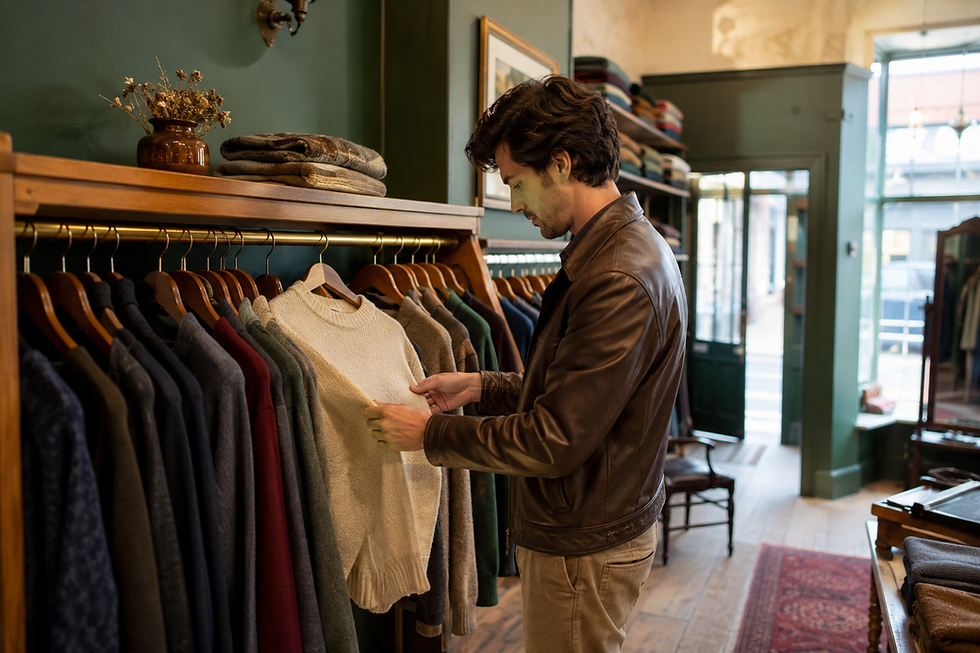
What Does Quality Mean in Vintage Clothing?
Age alone does not make a garment high quality. A vintage piece should be judged by how it was made, how it has aged and whether it still performs the job it was designed to do.
Some signs of quality are immediately visible. Others appear when you look more closely at the fabric, stitching, lining and fastenings.
Natural signs of previous use can add character. However, significant damage, weakened fabric or failed construction may affect how practical the item is to wear.
Begin With the Fabric
Fabric is one of the first things to examine when assessing vintage clothing. Look at the surface of the garment and consider:
Whether the fabric still holds its original shape.
Whether the texture feels consistent.
Whether there is excessive thinning around cuffs, elbows or pockets.
Whether knitwear has become stretched or misshapen.
Whether leather remains flexible rather than dry or brittle.
A small amount of bobbling, fading or natural creasing can be expected on pre-owned clothing. These details do not automatically make a garment poor quality, but they should be shown clearly and described honestly.
Examine the Stitching and Construction
Well-constructed clothing normally has secure, even stitching and seams that sit naturally when the garment is worn. Pay particular attention to areas that experience regular movement or pressure:
Shoulder seams.
Underarms.
Pocket openings.
Waistbands.
Zips and button areas.
Trouser hems.
Jacket cuffs.
Loose threads can sometimes be minor, but opening seams or repeated repairs may require closer consideration. Photographs of these areas are especially useful when buying vintage clothing online.
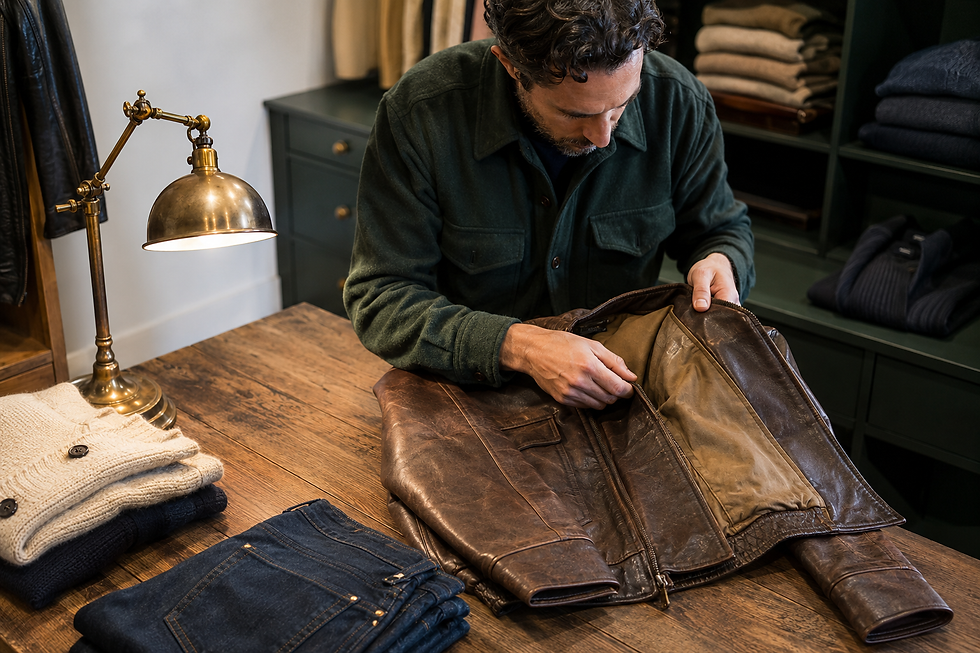
Check the Lining, Buttons and Fastenings
The outside of a garment can look excellent while the inside shows more noticeable wear.
For jackets and coats, inspect the lining around the sleeves, pockets and lower hem. A sound lining helps a garment sit properly and makes it easier to wear over other layers.
Buttons should feel secure and zips should move smoothly. Press studs, buckles and hooks should also be checked where possible.
Original fastenings can add character, but a replacement button does not necessarily reduce a garment’s usefulness. What matters is that any alteration or fault is described clearly.
Understand the Difference Between Character and Damage
Vintage clothing often shows evidence of its previous life. Gentle fading, softened fabric and natural leather creasing can make a piece more appealing.
Damage is different. Large holes, failed seams, heavy staining or broken fastenings may affect whether the item can be worn immediately.
The distinction depends on the garment and the buyer. One person may appreciate visible wear, while another may prefer a cleaner finish. Accurate photographs and straightforward descriptions allow buyers to make that decision confidently.
Use Measurements Rather Than Relying Only on the Label
Vintage sizing can differ considerably between manufacturers and periods. A labelled size may not match the fit expected from a modern garment.
When buying online, compare the supplied measurements with a similar item that already fits you well. Useful clothing measurements can include:
Pit to pit.
Shoulder to shoulder.
Overall length.
Sleeve length.
Waist laid flat.
Inside leg.
Rise.
The cut also matters. Two jackets with similar measurements can fit differently if one has structured shoulders and the other has a relaxed shape.
Look at the Entire Garment
A good online listing should show more than one attractive front photograph.
Useful images include the front, back, lining, fastenings, labels, cuffs, hems and any areas of wear. Close-up photographs can reveal fabric texture and construction that may not be visible in a wider image.
The photographs should be considered part of the description. Looking through every image helps build a more complete understanding of the garment before purchasing.
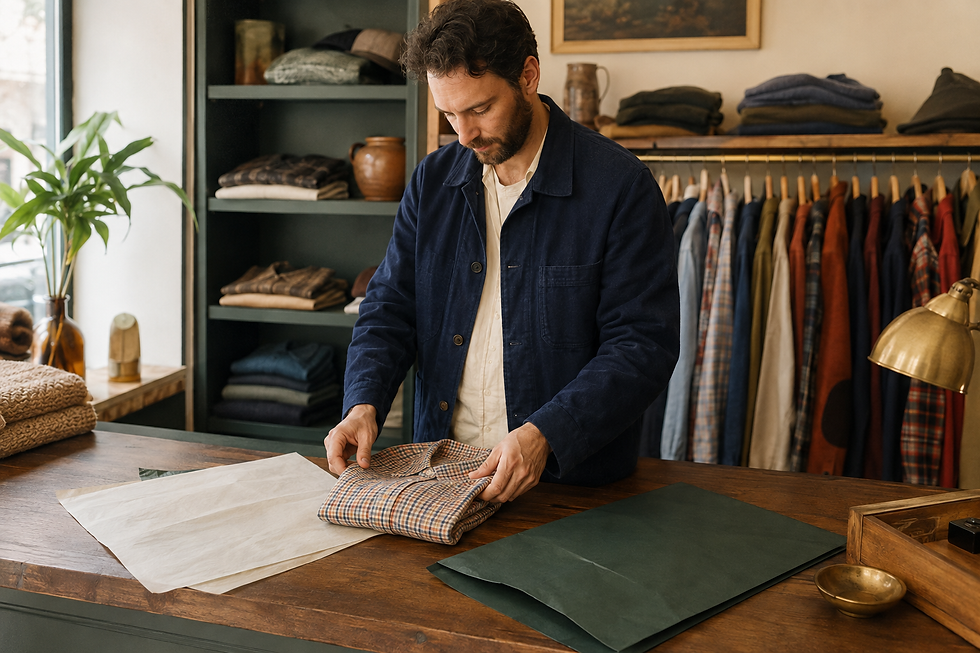
Buying Quality Vintage Clothing Online
A reliable vintage listing should provide enough information for the buyer to make an informed choice without seeing the garment in person. Before purchasing, consider:
Are useful measurements included?
Can you see the garment from several angles?
Are signs of previous wear shown?
Is the condition described clearly?
Does the piece suit clothing you already own?
Will it remain useful beyond a single outfit?
Buying thoughtfully helps create a wardrobe made from pieces you genuinely enjoy wearing.
How Rmar Vintage Selects Its Pieces
Rmar Vintage Limited focuses on distinctive pre-owned clothing and vintage finds with character, useful design and lasting appeal.
Each piece is considered individually. Vintage items can naturally show signs of age or previous use, which is why photographs and descriptions are an important part of every listing.
Based in London and operating online, Rmar Vintage serves customers throughout the UK and worldwide through its official eBay shop.

Discover Your Next Vintage Piece
Explore Rmar Vintage clothing and collections:
Shop securely through the official Rmar Vintage eBay store:


Comments